WHY CLASSROOM LISTENING MATTERS
The classroom can make listening harder
Students rely on clear speech to understand instructions, participate in discussions and build language and literacy skills. In a busy classroom, background noise, distance and room acoustics can reduce speech clarity and increase the effort required to listen.
These barriers may affect any student, but their impact can be greater for children with hearing loss, fluctuating hearing, auditory processing difficulties, language needs or additional learning requirements.
Background Noise
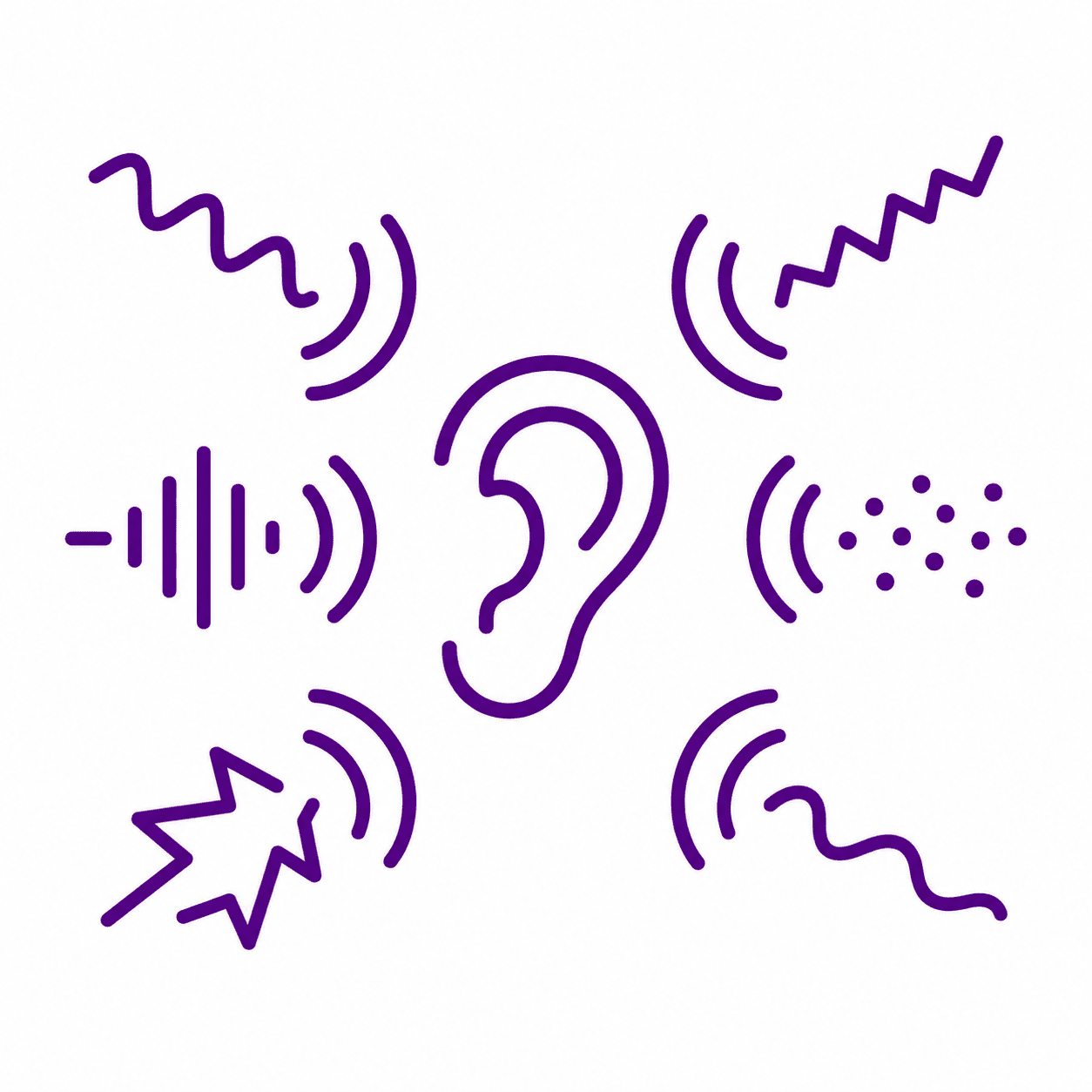
Air conditioning, student conversations, moving furniture and sounds from outside the classroom can compete with the teacher’s voice and make important information harder to understand.
Distance from the teacher
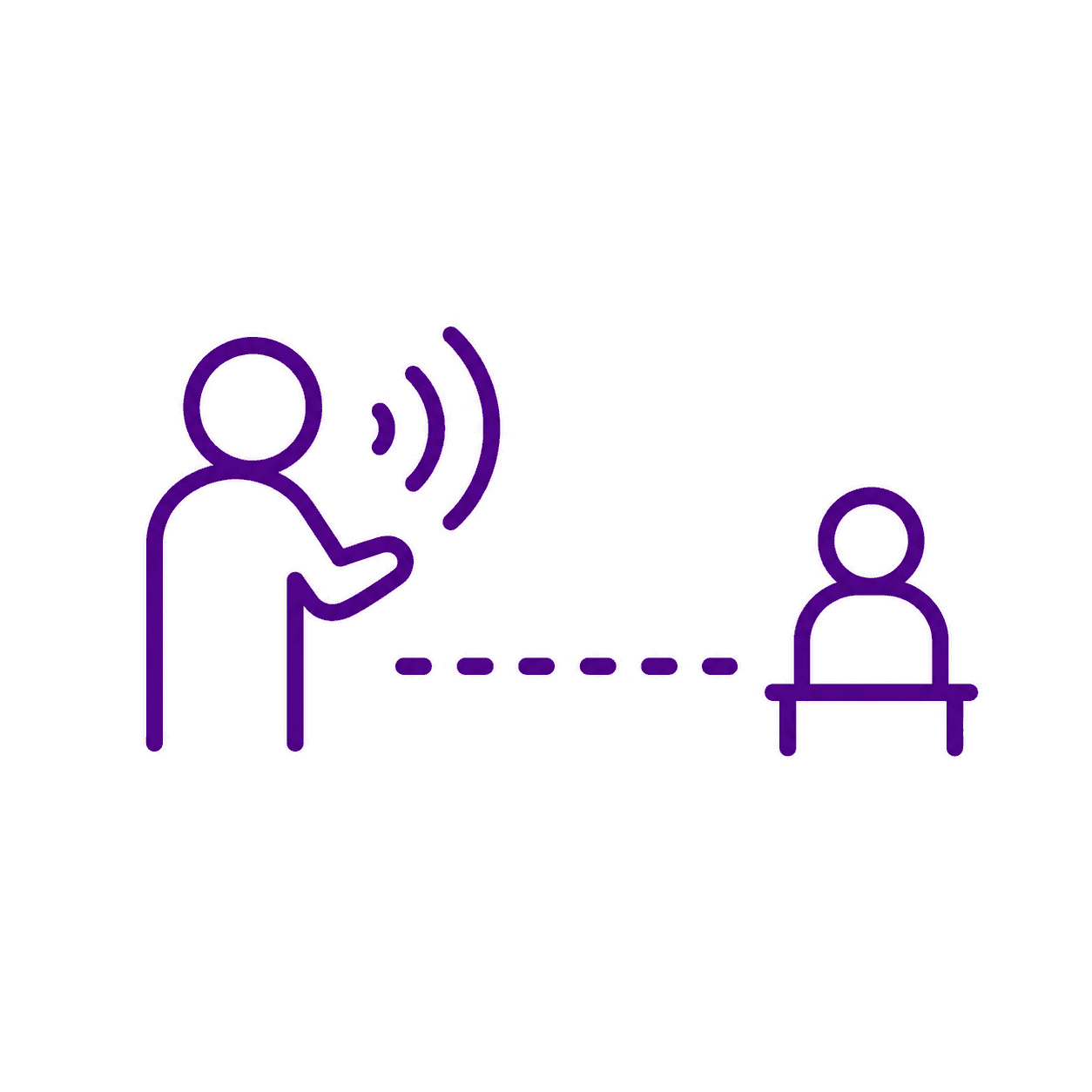
A teacher’s voice becomes quieter as the distance from the student increases. Students may miss parts of instructions when the teacher moves around the room or speaks while facing away.
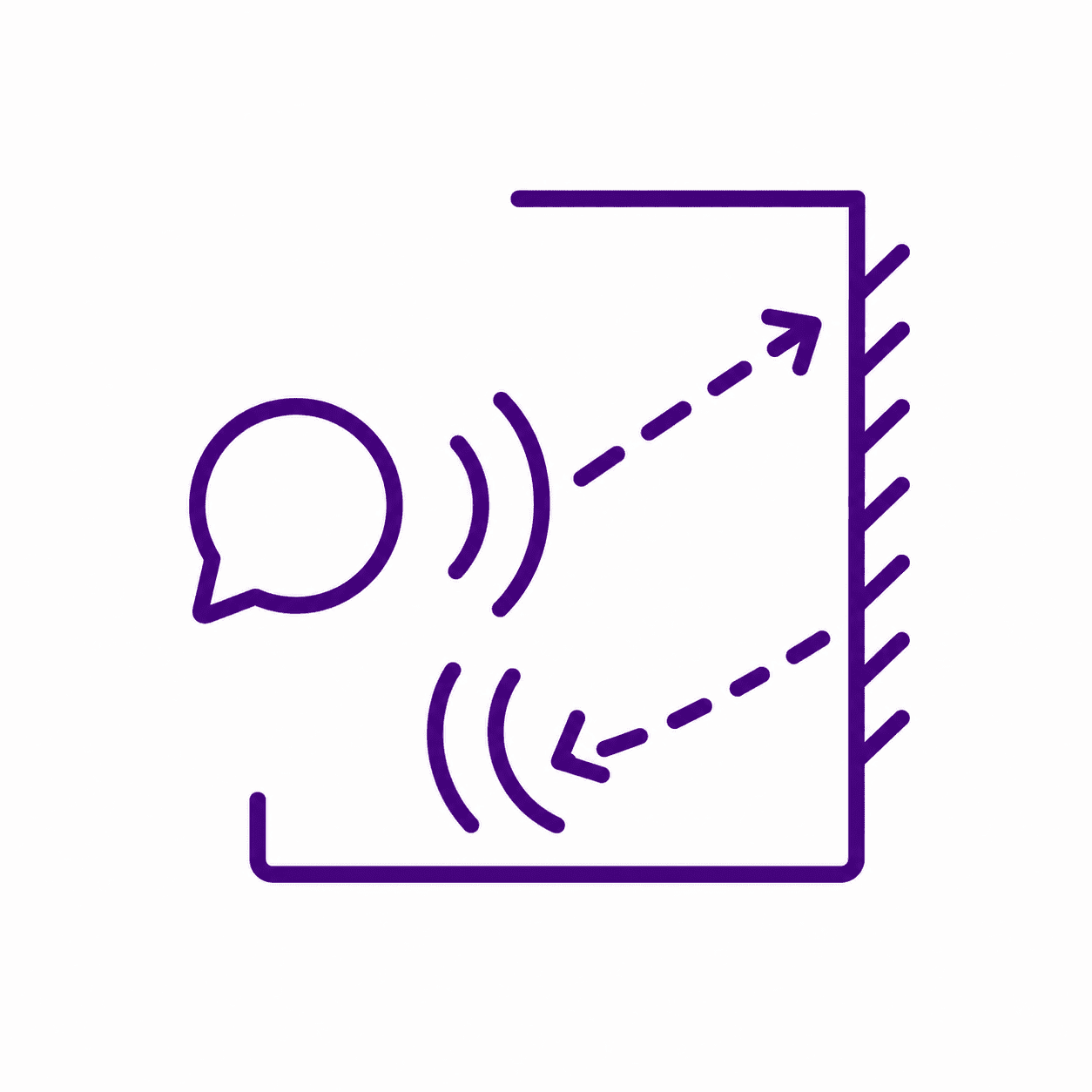
Reverberation
Sound reflecting from hard walls, floors, windows and ceilings can blur speech. This reduces the distinction between words and makes spoken information less clear.
Listening effort
When students must continually work harder to understand speech, they may experience fatigue, reduced concentration and less confidence participating in classroom activities.
Improving access to the teacher’s voice can reduce listening effort and help students remain engaged, confident and ready to learn.
EDUCATIONAL AUDIOLOGY SERVICES
Practical support from assessment to ongoing care
Every student, classroom and school has different listening needs. Hear Room works collaboratively with educators, families and support teams to identify communication barriers and develop practical, evidence-based solutions for the learning environment.
Our recommendations are independent and tailored to the student, classroom, educational goals and available resources. Support can range from advice for an individual student through to planning and implementation across multiple classrooms or an entire school.
Listening needs assessment
We consider the student’s hearing, communication requirements, learning activities and current technology to understand where listening barriers may occur and what support may be appropriate.
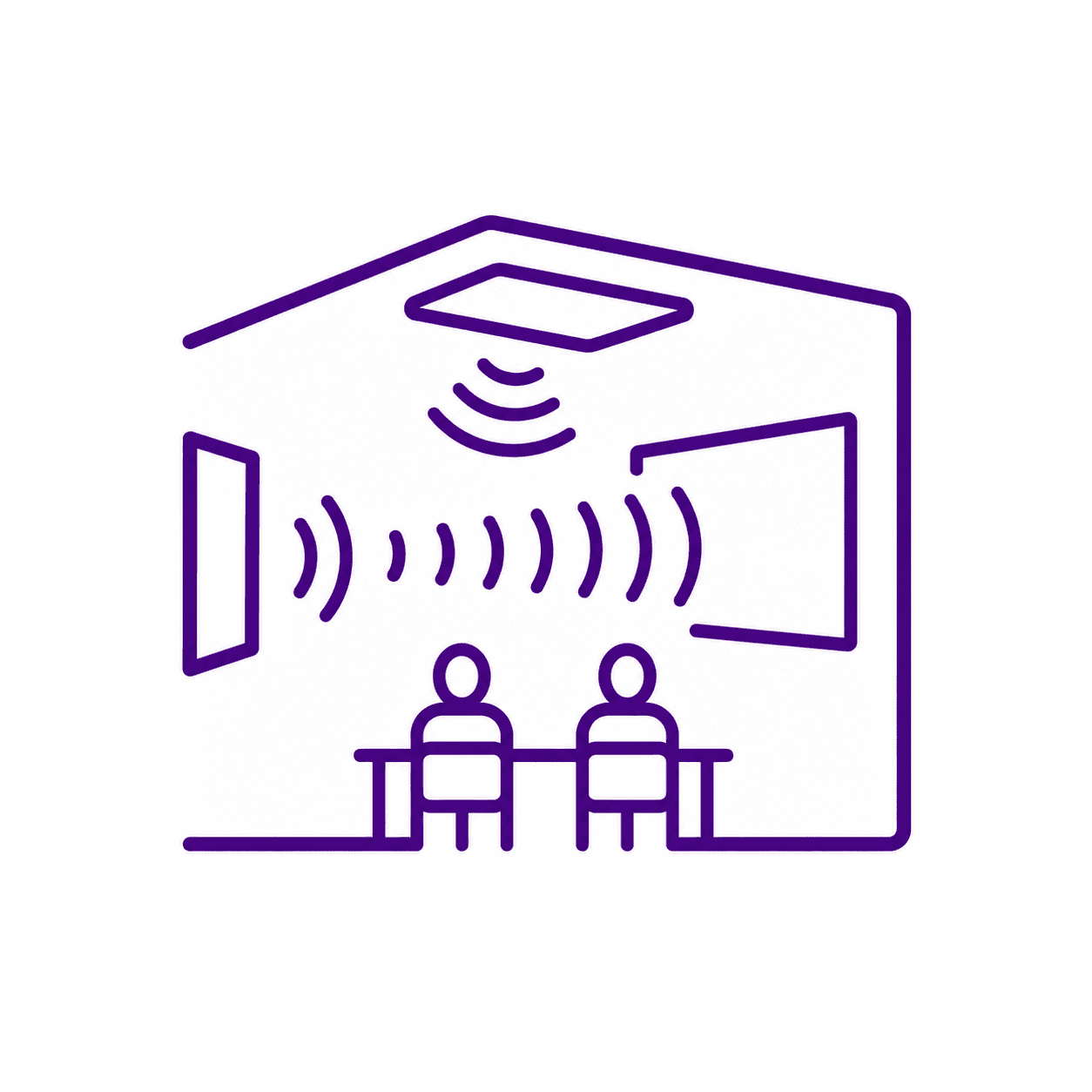
Classroom acoustics and environment
We assess background noise, reverberation, distance, room layout and other environmental factors that can affect access to speech, and identify practical changes that may improve classroom listening conditions.
Independent technology advice
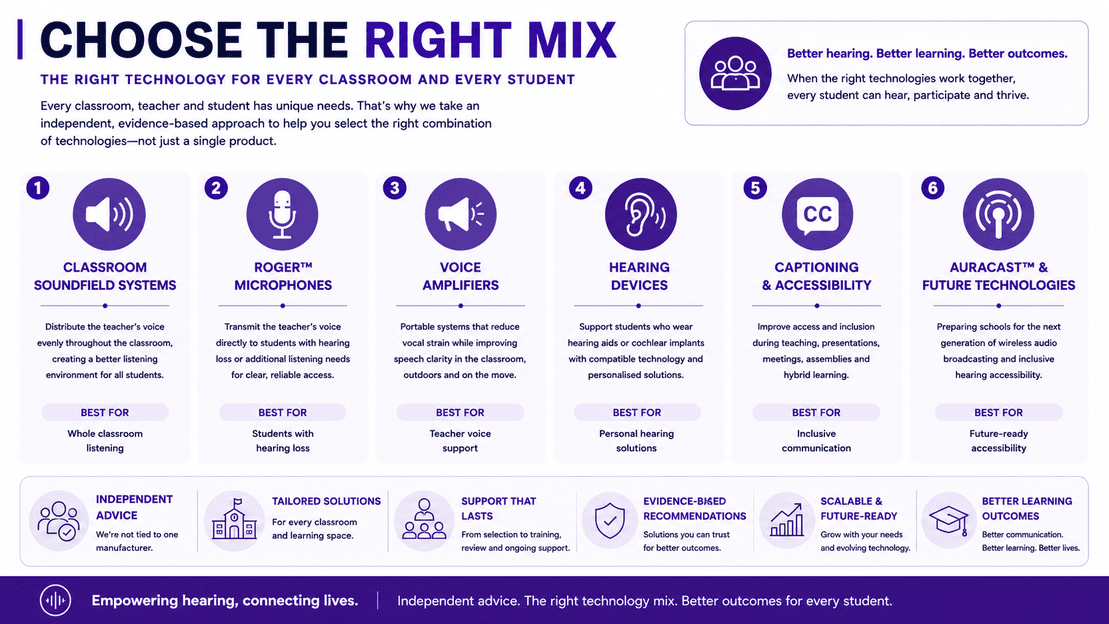
We compare appropriate soundfield, personal microphone, voice amplification and emerging listening technologies without being limited to a single manufacturer or system.
System design and implementation
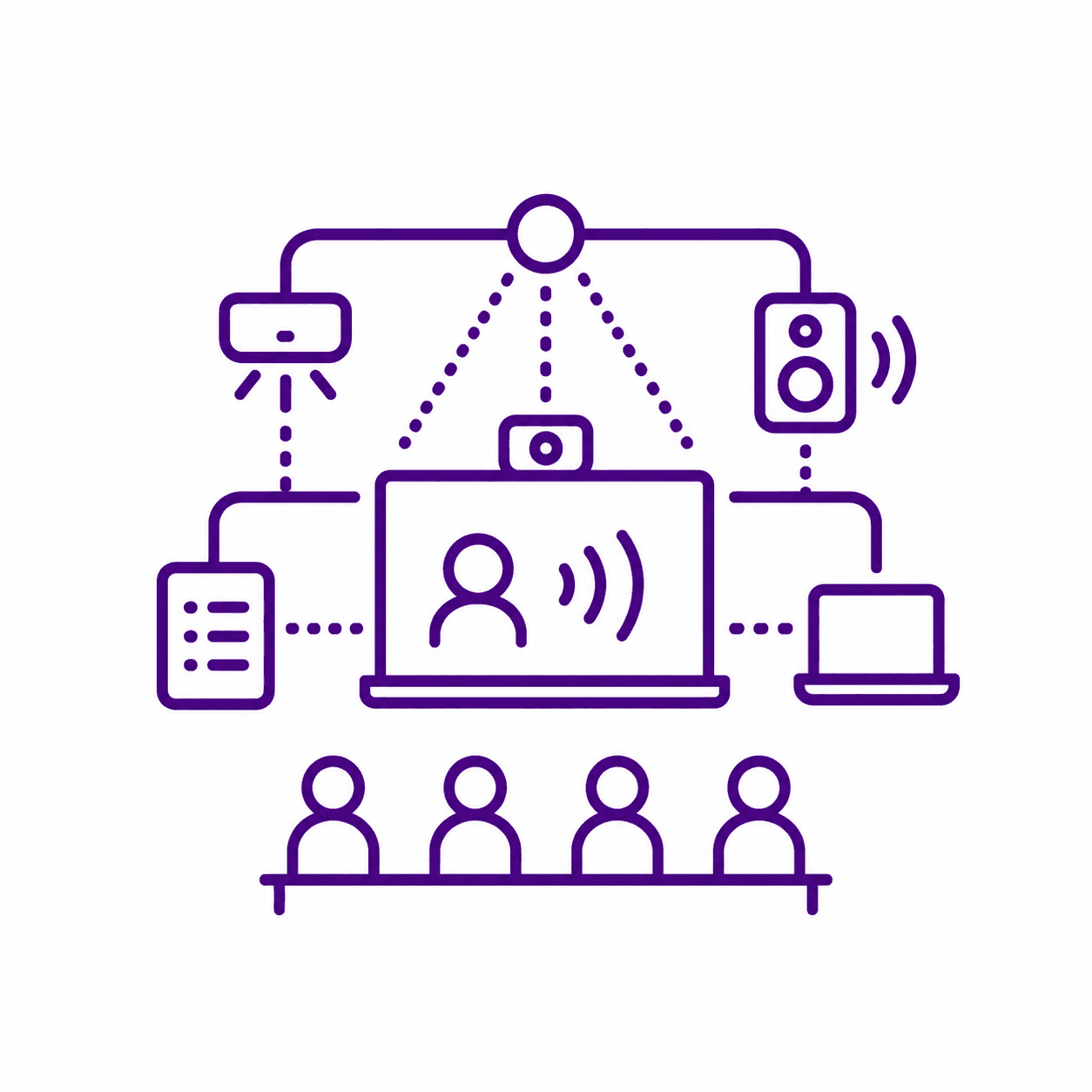
We help schools plan how technology should operate within the classroom, coordinate with relevant suppliers or installation partners and support correct configuration.

Teacher and support-team training
Practical training helps teachers, support staff, students and families understand how to use equipment confidently and apply effective communication strategies.
Review and ongoing support
We review listening environments and technology as students needs, teaching spaces and equipment change, helping schools maintain effective and reliable support over time.
Not sure where to begin?
What is Educational Audiology?
Educational audiology focuses on how hearing and listening affect a student's access to learning.
It considers more than hearing test results alone. Classroom acoustics, background noise, distance from the teacher, hearing technology, communication needs and the demands of the learning environment can all influence how easily a student understands spoken information.
Hear Room brings together clinical audiology, hearing rehabilitation and specialist knowledge of classroom hearing technology to identify these barriers and develop practical strategies that support clearer communication and greater participation at school.
We provide educational audiology services to schools throughout Brisbane, South East Queensland and regional Queensland.
Choosing Classroom Hearing Technology
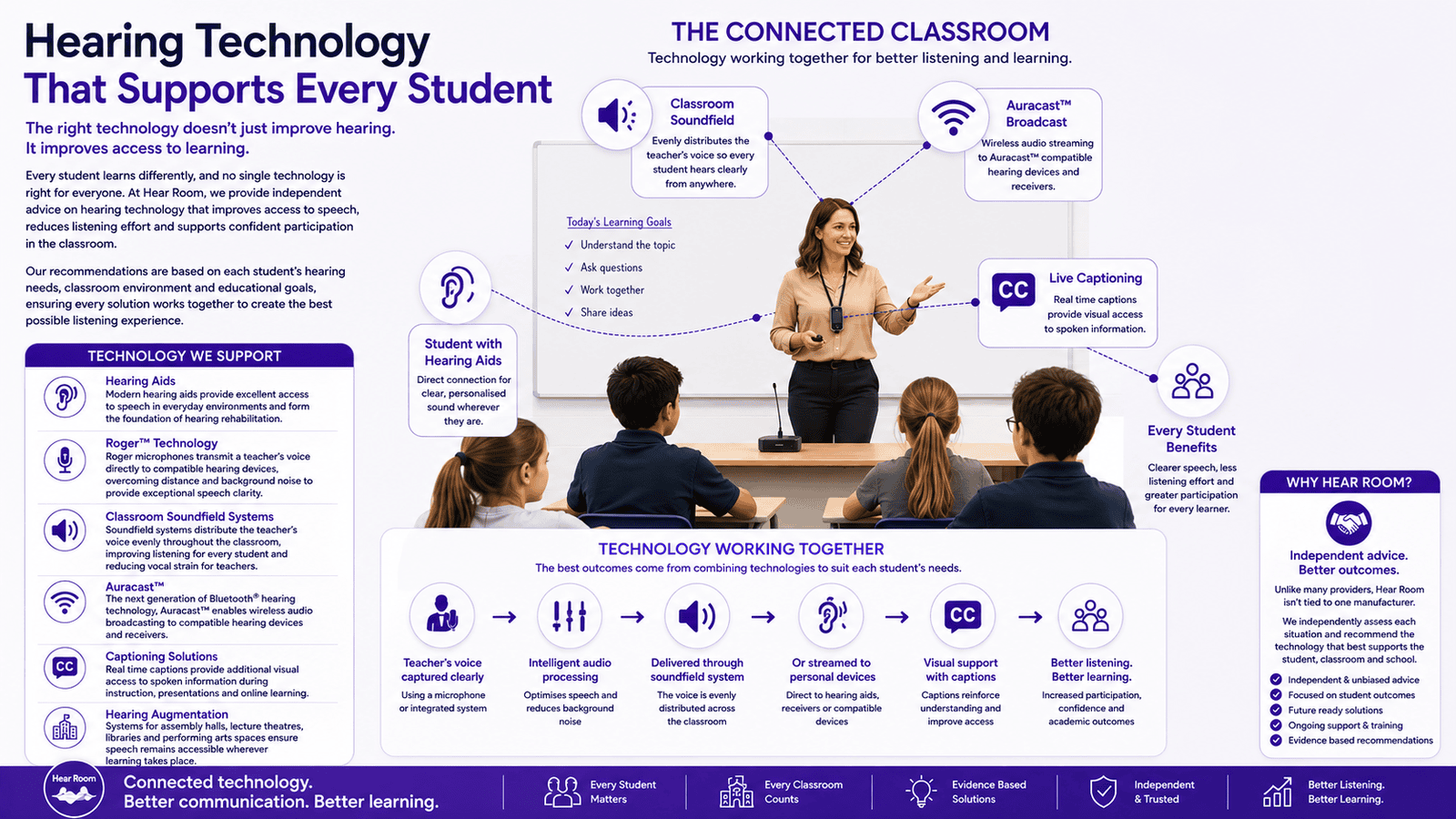
Choosing classroom hearing technology starts with understanding students’ listening needs and the situations where communication is difficult.
Hear Room considers classroom acoustics, teaching activities, existing hearing devices and equipment, and the support required for everyday use. We help schools compare suitable options, check compatibility and plan for installation, staff training and ongoing support.
Classroom Hearing Solutions
Independent Advice for Your School
From a single classroom upgrade to a whole-school rollout, Hear Room helps schools compare hearing technology across multiple manufacturers.
We explain the role of each system, how it may work with existing equipment, and what is needed for everyday use. Recommendations consider student listening needs, teaching activities, compatibility, budget and ongoing support.
Featured Brands



Along with a range of Bluetooth® Auracast™ Products
Compatible with leading hearing aid manufacturers
Educational Audiology FAQs
Discuss Your School’s Listening Needs
Tell us about your school, the listening challenges you are noticing and any hearing technology already in use. Hear Room can help you identify a suitable starting point and discuss the next steps.